



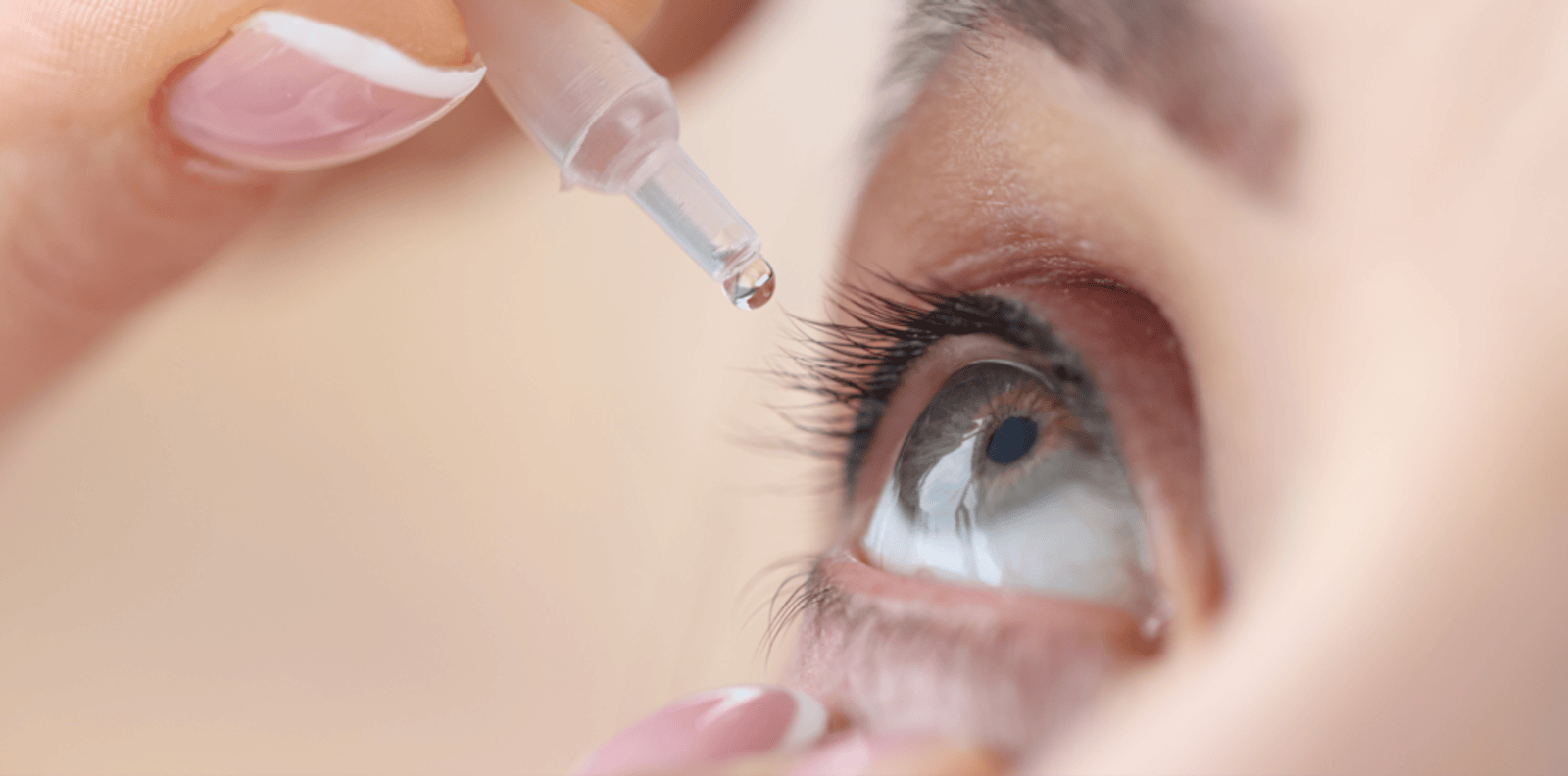

Presbyopia is a ubiquitous age-related condition that affects approximately 2 billion people worldwide, including an estimated 128 million in the United States.1 Nearly 90% of Americans older than 45 years of age have presbyopia, and globally, 45% of individuals with presbyopia have impaired near vision because they lack adequate (or any) correction.1,2
Topical pharmacologic therapy is emerging as a testable, reversible adjunct that can be matched to patient use case—potentially bridging the years between early presbyopia and lens-based solutions. In practice, patients’ adoption of this form of treatment is often driven as much by its tolerability (particularly ocular redness and low-light trade-offs) and dosing convenience as it is by gains in near vision, making counseling and candidate selection central to success.
Quality-of-life research has identified seven domains commonly affected by presbyopia: activity limitation, inconvenience, health concerns, psychosocial impact, economic impact, general and ocular comfort symptoms, and visual symptoms.3 The downstream effects can be meaningful, influencing occupational performance and emotional well-being, with reports of frustration, reduced social interaction, and, in some instances, depression.4,5
MECHANISM OF ACTION AND THERAPEUTIC LANDSCAPE
Presbyopia-correcting drops such as pilocarpine, carbachol, and aceclidine typically induce miosis through muscarinic cholinergic receptor agonists that selectively target the pupil.6 By constricting the pupil, these agents create a pinhole effect, block peripheral light rays, and increase depth of field, allowing patients to see near objects more clearly.
Fixed-dose combination therapy can further modulate pupil dynamics by pairing a cholinergic agent with an alpha-adrenergic agonist that inhibits the iris dilator muscle.7
Currently, four US FDA-approved presbyopia-correcting drops are available (Table):
- Vuity (pilocarpine HCl ophthalmic solution 1.25%, AbbVie);
- Qlosi (pilocarpine hydrochloride ophthalmic solution 0.4%, Orasis Pharmaceuticals);
- Vizz (aceclidine ophthalmic solution 1.44%, Lenz Therapeutics); and
- Yuvezzi (carbachol and brimonidine tartrate ophthalmic solution 2.75%/0.1%, Tenpoint Therapeutics; formerly Brimochol PF).

Other treatments are currently in US FDA clinical trials, including phentolamine (Ryzumvi, Ocuphire Pharma/Opus Genetics).
CLINICAL APPEAL AND PRACTICAL ADVANTAGES
Topical presbyopia-correcting drops are a low-risk option with a low barrier to entry. Formulations differ by concentration, active ingredient combinations, dosing frequency, and duration of effect.
Unlike multifocal contact lenses or progressive spectacles, patients can trial drops in different settings and over time to determine which product works best for them. Treatment reversal requires nothing more than discontinuing the drops.
In addition to increasing depth of focus, pupil-modulating drops may help address higher-order aberrations (HOAs) in post-LASIK eyes. Patients who underwent the procedure before wavefront-guided systems and blended optical zones became available are particularly likely to have elevated amounts of corneal HOAs. Reducing the pupillary aperture can minimize the impact of corneal HOAs on their visual acuity.
CANDIDATE SELECTION: SAFETY, EFFICACY, AND TOLERABILITY
In clinical practice, three basic parameters determine the success of a new pharmaceutical: safety, efficacy, and tolerability.
Safety
All of the available topical presbyopia medications are considered safe, but they raise concern about retinal detachment in patients with high myopia. For this reason, all patients starting treatment with a presbyopia-correcting topical medication should have a dilated fundus examination. High myopia, moreover, is a relative contraindication to muscarinic presbyopia medications. This is a particularly important consideration for patients who have a history of LASIK for high myopia.
Another concern is the long-term use of a preserved medication, which can negatively affect the ocular surface and lead to dry eye disease.
Efficacy
The clinical trials of topical presbyopia treatments submitted for US FDA assessment include a primary endpoint defined as an improvement in near visual acuity of 15 or more letters (3 lines) without the loss of five or more letters (1 line) of distance visual acuity. However, a two-line gain in near vision or functional vision of 20/40 could represent a significant improvement to the patient.
The duration of action is also extremely important to most patients. Some prefer a very short-acting medication for activities at specific times of day such as dinner at a restaurant, but we expect most patients to want longer-acting medications such as aceclidine and a fixed combination of carbachol and brimonidine, which should provide 6 to 10 hours of effective near vision improvement. Some patients seeking coverage for a full waking day may attempt redosing later in the day, although dosing should follow product labeling. A formulation that is portable and does not require refrigeration would be advantageous for these patients.
Tolerability
Tolerability is probably the greatest concern and predictor of medication acceptance for most patients. Many patients want to look, feel, and see better. They may have reservations about a presbyopia medication that improves their near visual acuity but causes conjunctival hyperemia, which can be an adverse effect of miotic therapy.
Tolerability concerns typically fall into three buckets.
No. 1: Ocular hyperemia. Redness is the most visible—and often most bothersome—tolerability issue with miotic therapy. The preservative-free fixed-dose combination Yuvezzi is notable in this regard. In the phase 3 BRIO I and BRIO II trials, the incidence of conjunctival hyperemia was lower with the fixed-dose combination than with carbachol monotherapy.8
No. 2: Short-term systemic and ocular symptoms. Short-term adverse effects may include headache, brow ache, a constricted field of vision, or difficulty in low-light environments. Fortunately, miotic agents such as pilocarpine and carbachol have a long history of ophthalmic use, with well-established safety profiles. Among patients with brow ache, tachyphylaxis often occurs rapidly. These patients may benefit from instilling the medication at night before sleep for the first week until these side effects spontaneously resolve.
No. 3: Visual trade-offs. Distance vision and low-light performance are central to tolerability. Patients seeking a solution to their presbyopia expect to see better at near while retaining quality of vision at distance. Miotic agents improve quality of vision at distance for many patients, especially those with a history of first-generation laser vision correction. However, if the pupil becomes too small, patients’ quality of vision may decrease secondary to perceived dimness. Pupil size varies with the approved presbyopia medications.
COUNSELING FOR REAL-WORLD USE
As clinical trials progress and pupil-modulating drops enter the marketplace, eye care providers will need to have a firm understanding of their characteristics in order to educate patients effectively and select appropriate candidates.
Duration of Action
Duration of action is likely to differ among products. Patients with full-time jobs will likely desire at least 8 hours of effect to achieve adequate near and intermediate visual acuity throughout the workday. Those who simply want to avoid wearing reading glasses during weekend dinners may be comfortable with a drop that has a shorter duration of action.
Compliance
Unlike with topical prescription therapies for glaucoma or dry eye disease, compliance is less likely to be an issue because patients will notice the effects if they do not administer presbyopia drops. That said, many patients will not wish to instill presbyopia drops multiple times a day. Those who want a high degree of spectacle independence can generally be expected to prefer a once-daily drop that offers a minimum of 8 hours of effect.9
Standardizing Counseling and Expectations
Several lifestyle questionnaires are available to gauge patients’ needs and expectations for presbyopia-correcting IOLs. It may be necessary to develop similar tools to help customize counseling strategies for presbyopia drops.
1. Fricke TR, Tahhan N, Resnikoff S, et al. Global prevalence of presbyopia and vision impairment from uncorrected presbyopia: systematic review, meta-analysis, and modelling. Ophthalmology. 2018;125(10):1492-1499.
2. Berdahl J, Bala C, Dhariwal M, Lemp-Hull J, Thakker D, Jawla S. Patient and economic burden of presbyopia: a systematic literature review. Clin Ophthalmol. 2020;14:3439-3450.
3. Kandel H, Khadka J, Shrestha MK, et al. Uncorrected and corrected refractive error experiences of Nepalese adults: a qualitative study. Ophthalmic Epidemiol. 2018;25(2):147-161.
4. Bentley S, Findley A, Chiva-Razavi S, et al. Understanding the visual function symptoms and associated functional impacts of phakic presbyopia. J Patient Rep Outcomes. 2021;5(1):114.
5. Patel I, Munoz B, Burke AG, et al. Impact of presbyopia on quality of life in a rural African setting. Ophthalmology. 2006;113(5):728-734.
6. Ishikawa H, DeSantis L, Patil PN. Selectivity of muscarinic agonists including (+/-)-aceclidine and antimuscarinics on the human intraocular muscles. J Ocul Pharmacol Ther. 1998;14(4):363-373.
7. Abdelkader A, Kaufman HE. Clinical outcomes of combined versus separate carbachol and brimonidine drops in correcting presbyopia. Eye Vis (Lond). 2016;3:31.
8. Tenpoint Therapeutics announces positive topline data from phase 3 pivotal study, BRIO-II, of BRIMOCHOL PF for the treatment of presbyopia. News release. Business Wire. January 9, 2025. Accessed January 29, 2026. https://www.businesswire.com/news/home/20250109824922/en/Tenpoint-Therapeutics-Announces-Positive-Topline-Data-from-Phase-3-Pivotal-Study-BRIO-II-of-BRIMOCHOL-PF-for-the-Treatment-of-Presbyopia
9. Katz JA, Karpecki PM, Dorca A, et al. Presbyopia – a review of current treatment options and emerging therapies. Clin Ophthalmol. 2021;15:2167-2178.

